Training
Clinical Trials Management Workshop builds operational capacity
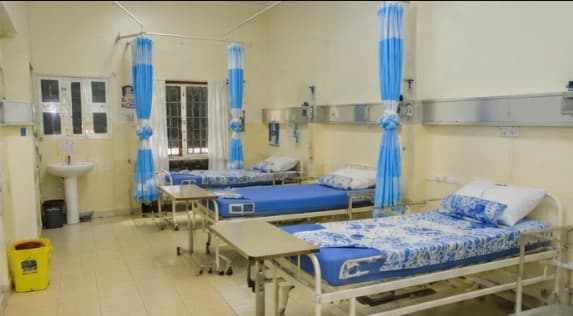
A clinical research facility supporting trial delivery — Nairobi, Kenya
Supported by Novartis Africa, the 2016 workshop helped clinicians and scientists examine the coordinated systems behind rigorous, ethical clinical trials.
In 2016, CREATES organised a Clinical Trials Management Workshop with support from Novartis Africa for clinicians and scientists. The workshop addressed an area at the centre of CREATES' mandate: developing teams that can manage clinical studies with scientific discipline, ethical responsibility, and an understanding of the local environment in which research takes place.
Clinical trials are coordinated systems
A clinical trial is often described through its treatment groups, endpoints, or phase of development. Behind those scientific features is a complex operational system. A study must move from an approved protocol to a functioning site; participants must be identified and engaged appropriately; investigational products and samples must be handled correctly; visits must be completed within defined windows; safety information must be recognised and communicated; and every important decision must be documented.
Clinical-trial management brings these responsibilities together. It requires clear roles, realistic planning, reliable communication, and quality controls that work throughout the life of a study. It also requires teams to anticipate where implementation may differ from the plan and to respond without compromising participant welfare or the credibility of the evidence.
Ethics and participant protection
Scientific quality and ethical quality are inseparable. Participants volunteer their time, information, and sometimes accept uncertainty so that useful health knowledge can be generated. Trial teams therefore have a duty to protect informed choice, privacy, safety, dignity, and fair treatment.
CREATES' wider institutional work reinforces this responsibility. The Centre contributed to the establishment of the ethics-review platform at Strathmore University, now known as SU-ISERC, and has supported research governed by national and international requirements. Training in trial management helps clinicians and scientists understand that ethical approval is not a one-time administrative step. Ethical conduct must remain visible in recruitment, consent, clinical care, data handling, safety oversight, communication, and the way unexpected situations are managed.
Building capability across the trial lifecycle
CREATES has hosted and participated in clinical research across different phases of product evaluation, including vaccine and medicine studies. Such work depends on more than an individual principal investigator. It requires protocol-ready clinical sites, trained coordinators, pharmacy and laboratory systems, data capability, quality assurance, community engagement, and leaders able to align the work of multiple partners.
The 2016 workshop contributed to that wider capability. For clinicians, trial-management knowledge helps connect direct patient care with the additional discipline required by research. For scientists, it provides insight into the operational conditions under which measurements and outcomes are produced. Bringing the two groups together strengthens a shared understanding of how scientific questions, clinical realities, and research governance interact.
Why locally led trial expertise matters
East African populations should benefit from treatments and vaccines evaluated with close attention to regional disease priorities, patterns of medicine use, health-system conditions, and community concerns. Strong local trial-management expertise enables African institutions to participate as scientific leaders and reliable research partners rather than simply as locations where externally designed studies are implemented.
This capability also improves the questions that are asked. Teams with experience in local clinical environments can identify feasibility concerns early, design participant pathways more respectfully, interpret findings with greater context, and help sponsors understand what successful implementation will require.
Training that becomes institutional strength
The lasting value of a workshop is realised when learning changes practice. Participants return to study teams where they can strengthen planning, documentation, risk awareness, and collaboration. Over time, those habits become part of institutional memory and can be passed to new investigators, coordinators, and clinical staff.
The Clinical Trials Management Workshop was one part of CREATES' continuing investment in a complete research ecosystem. Alongside courses in study coordination, pharmacovigilance, research data, laboratory quality, and pharmacometrics, it helped build the human systems required for trustworthy clinical development. That investment supports CREATES' larger goal: evaluating health interventions responsibly and translating research into evidence that is relevant to patients and health systems in Africa.
More from News & Events

4 YEARS AGO
BRAINS mobility programme launched at Strathmore University
By CREATES
Read more
7 YEARS AGO
Study coordinators strengthen clinical-trial operations skills
By CREATES
Read more
8 YEARS AGO
Workshop advances the use of research data for infectious-disease treatment
By CREATES
Read more
12 YEARS AGO
CREATES convenes Nanomedicines in Malaria Workshop
By CREATES
Read more13 YEARS AGO
Regional malaria microscopy course supports challenge and vaccine studies
By CREATES
Read more